
Peptides are real, growth factors are complicated, and “stem cells” on a label are not what the word suggests. This is the shelf where the science-sounding language is thickest and the evidence thinnest, so it is worth knowing which claims have something behind them.

Peptides
Short chains of amino acids that act as messengers — some signal the skin to produce more collagen, others calm inflammation, others affect how muscles contract.
- Signal peptides (matrixyl and similar) have the most support. Modest, gradual improvement in firmness and fine lines over three to six months.
- Copper peptides help wound healing and barrier repair. Do not layer them with vitamin C or strong acids in the same application.
- Neuropeptides, sold as “better than injectables”, are not. Any effect is slight and surface-level.
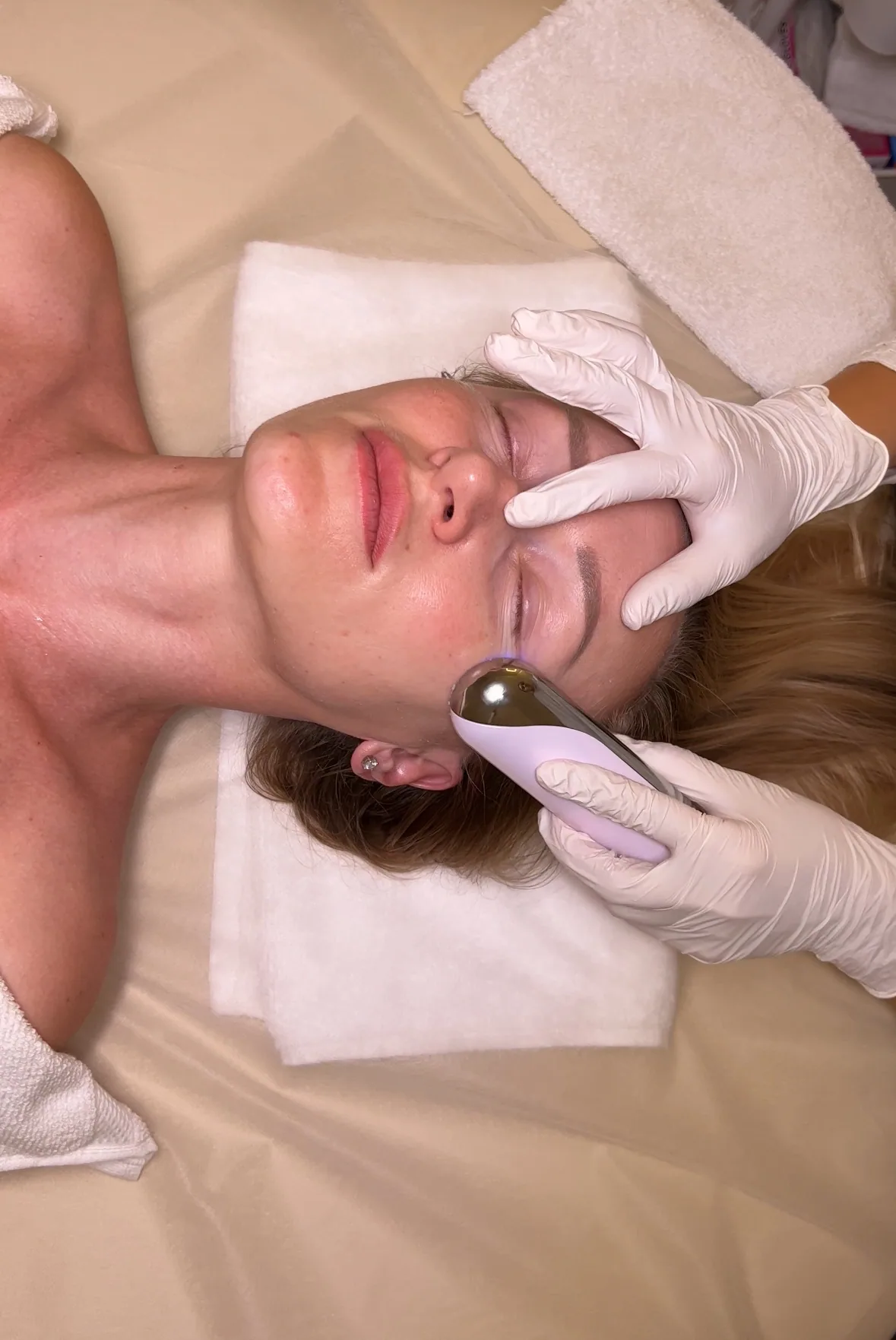
Peptides are a reasonable choice for someone who cannot tolerate retinoids. For someone who can, a retinoid does more for the same money. They work well together.
Growth factors
Proteins that tell cells to divide and repair. The research is genuinely interesting, mostly from wound healing and post-procedure recovery, and results on intact skin are more modest than the price suggests.

The practical issue is size: these are large molecules, and how much reaches the living layer of skin from a cream is an open question. They make most sense after a procedure that has temporarily opened the skin, which is exactly the context most of the research comes from.
“Stem cells”
There are no living stem cells in a jar on a shelf. They would not survive manufacture, storage or your skin, and if they did they would not become your cells.
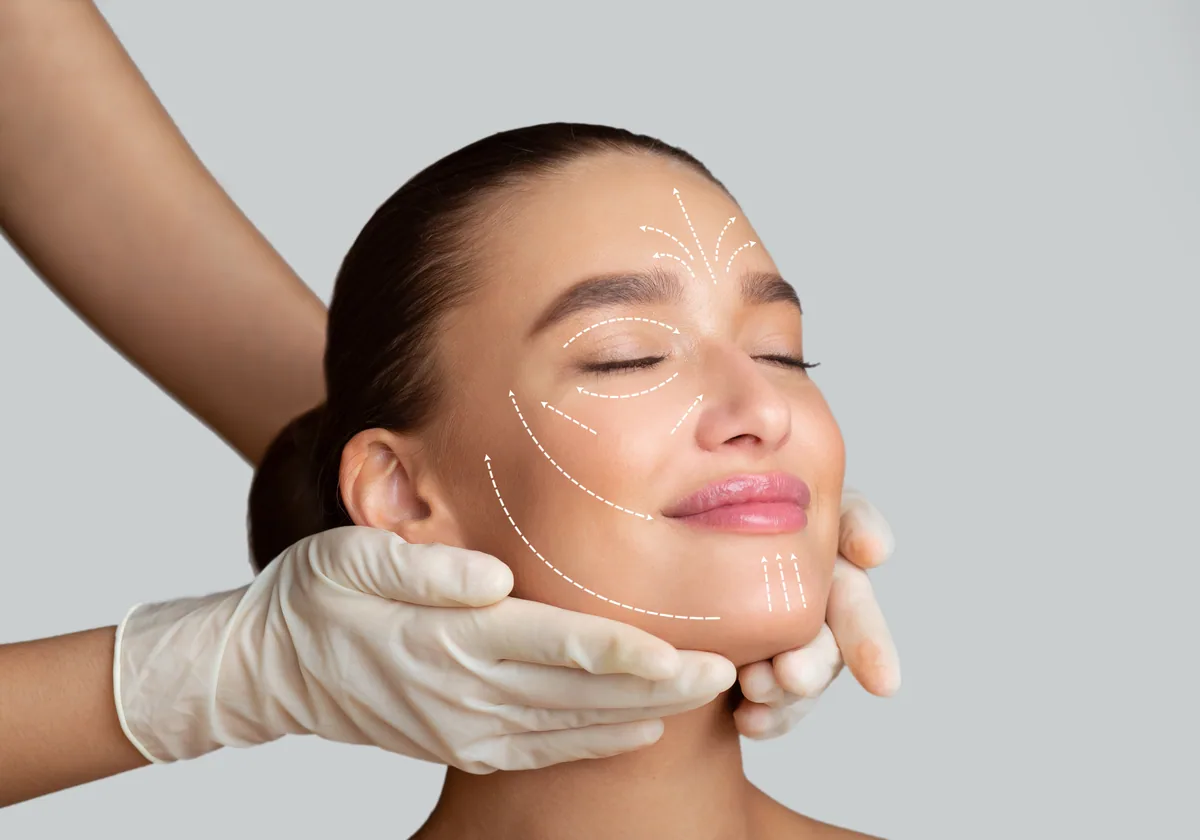
What is actually in the bottle is either plant stem cell extract — an antioxidant, no different in kind from any other plant extract — or the fluid that human cells were grown in, which contains some of the proteins those cells released. That second one is the same conversation as growth factors. Neither justifies what the word on the front of the box implies.
How to read this shelf
- If a product claims to work like a medical procedure, it is either exaggerating or it should be regulated as a drug.
- Check where the ingredient sits in the list. Below the preservatives means a fraction of a per cent.
- Studies cited by the brand that sells the product are a starting point, not evidence.
- Before buying anything here, make sure you already use a retinoid and a sunscreen. Those two outperform this entire category, and nothing on this shelf compensates for missing them.