
“Beauty sleep” is not a figure of speech. Skin repair runs on a daily cycle, and most of the rebuilding happens while you are asleep — which is why a bad fortnight shows on your face before it shows anywhere else.

What happens overnight
- Cell turnover peaks in the early hours — the skin is replacing itself fastest while you are not using it.
- Water loss through the skin is at its highest, which is why you wake up tighter than you went to bed.
- Blood flow to the skin increases, and repair processes run without the daytime load of UV and pollution.
- Cortisol falls to its lowest point. That matters, for the reason below.
What stress actually does
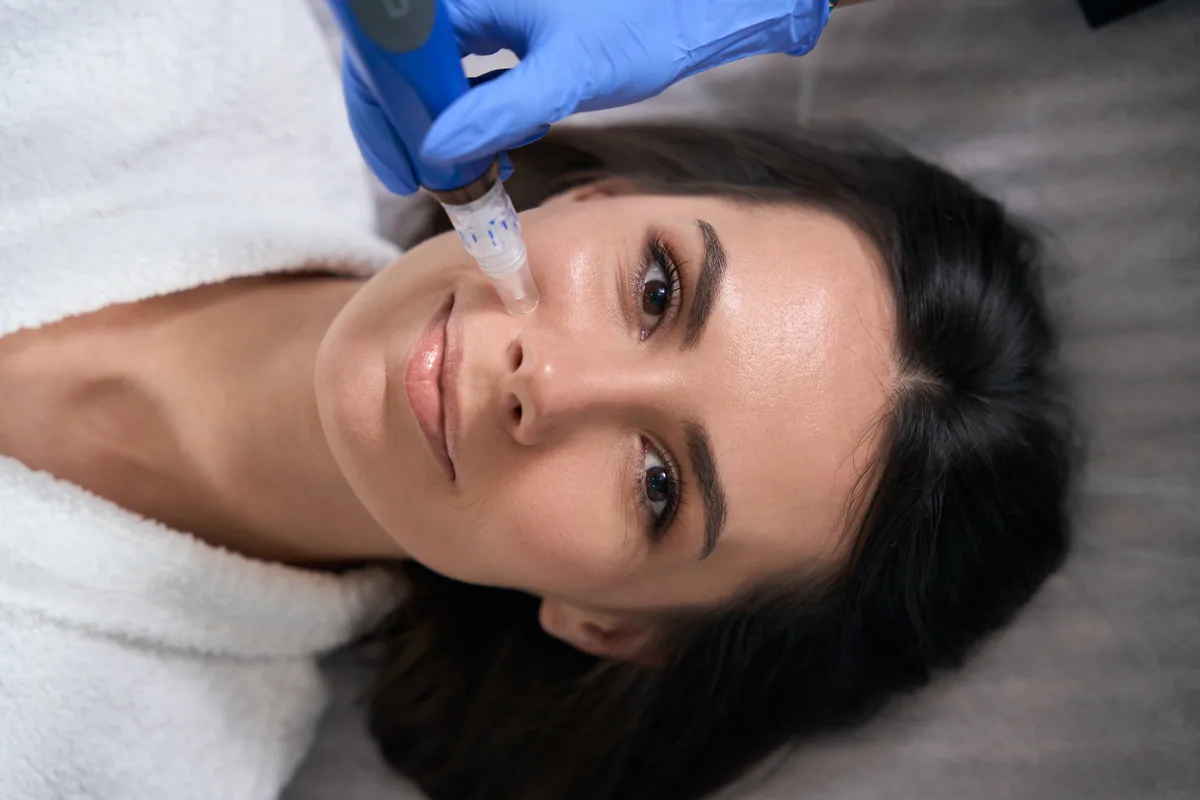
Cortisol stimulates oil production, which is the mechanism behind the breakout that reliably arrives during a difficult month. It also slows barrier repair, so skin that would normally recover in a week takes three, and it increases inflammation across the board — which is why rosacea, eczema and psoriasis all flare under pressure.
Poor sleep raises cortisol, and raised cortisol worsens sleep. That loop is the honest reason skin looks worse during a hard stretch, and no serum interrupts it.

What is worth doing
- A consistent time, more than a fixed number of hours. Irregular sleep shows on skin faster than slightly short sleep.
- Apply your evening routine earlier, not at the moment you fall into bed. Products need fifteen minutes to absorb rather than transfer to a pillowcase.
- Something occlusive on top at night — this is when water loss is highest and a richer texture is doing real work.
- Sleep on your back if you can. Years of pressing one side of your face into a pillow creates lines that run in a different direction from expression lines and do not respond to anything topical.
- Change the pillowcase twice a week, more if you have acne. Silk reduces friction, which helps lines a little; it does nothing for breakouts that a clean cotton pillowcase does not.
During a genuinely stressful stretch
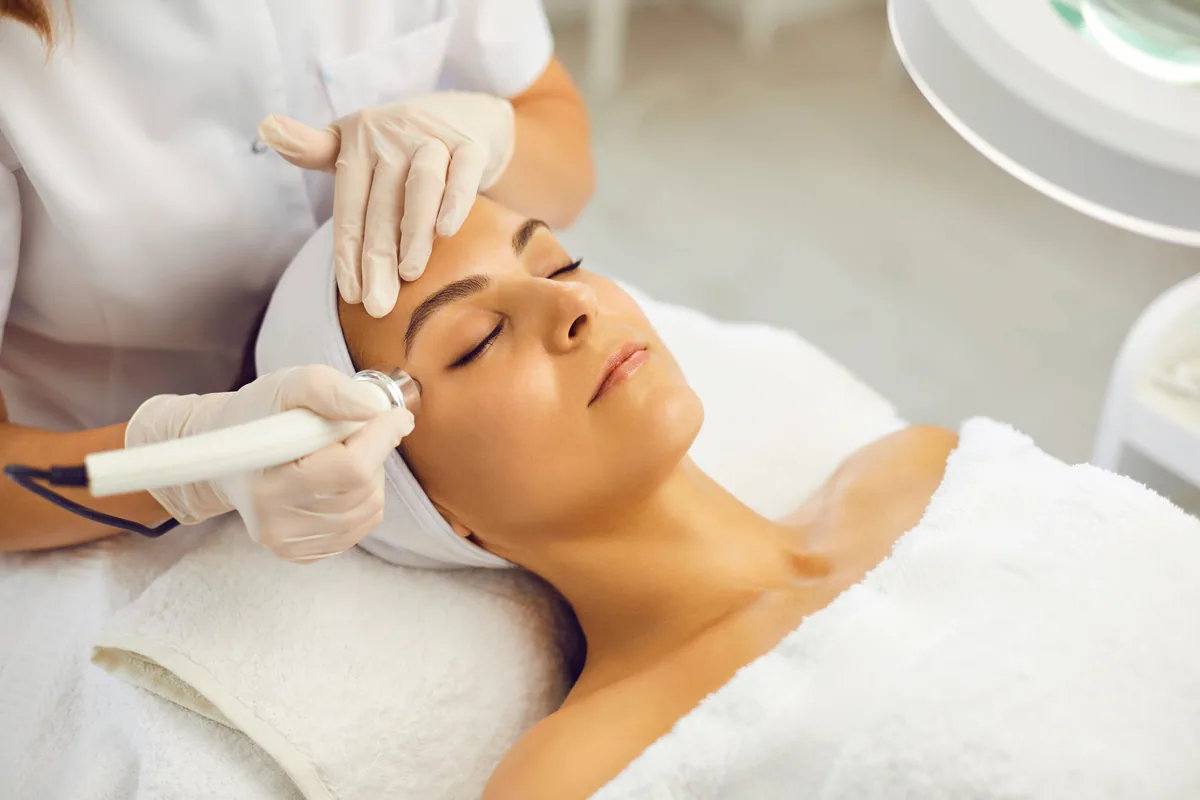
Do less, not more. This is the moment people add a second active out of frustration, onto skin whose barrier is already repairing slowly — and that is how a stressful month becomes a damaged barrier that outlasts the stress by a season.
Hold the basics, keep sunscreen, pause anything new, and accept that your skin is reflecting your circumstances rather than failing. It catches up within a few weeks of things settling, which is faster than most people expect.