
Cabin air is drier than most deserts. Relative humidity on a long flight sits around ten to twenty per cent, against the forty to sixty your skin is built for — which is why you land looking tired regardless of how well you slept.
What the flight actually does
- Dehydrates the surface. Water leaves the skin faster than usual and there is nothing in the air to replace it.
- Makes oily skin oilier. Dehydration prompts more sebum, which is why people break out after flying.
- Causes puffiness. Cabin pressure plus sitting still plus salty food equals fluid that settles in the face.
- Exposes you to more UV. At altitude it is considerably stronger, and a window seat gets it directly.
What to do on the plane
- Board with a clean face where you can. Makeup over dehydrated skin for ten hours is the combination that causes the post-flight breakout.
- A moisturiser with an occlusive, applied before take-off and again mid-flight. This is the one time a heavy, greasy texture is exactly right.
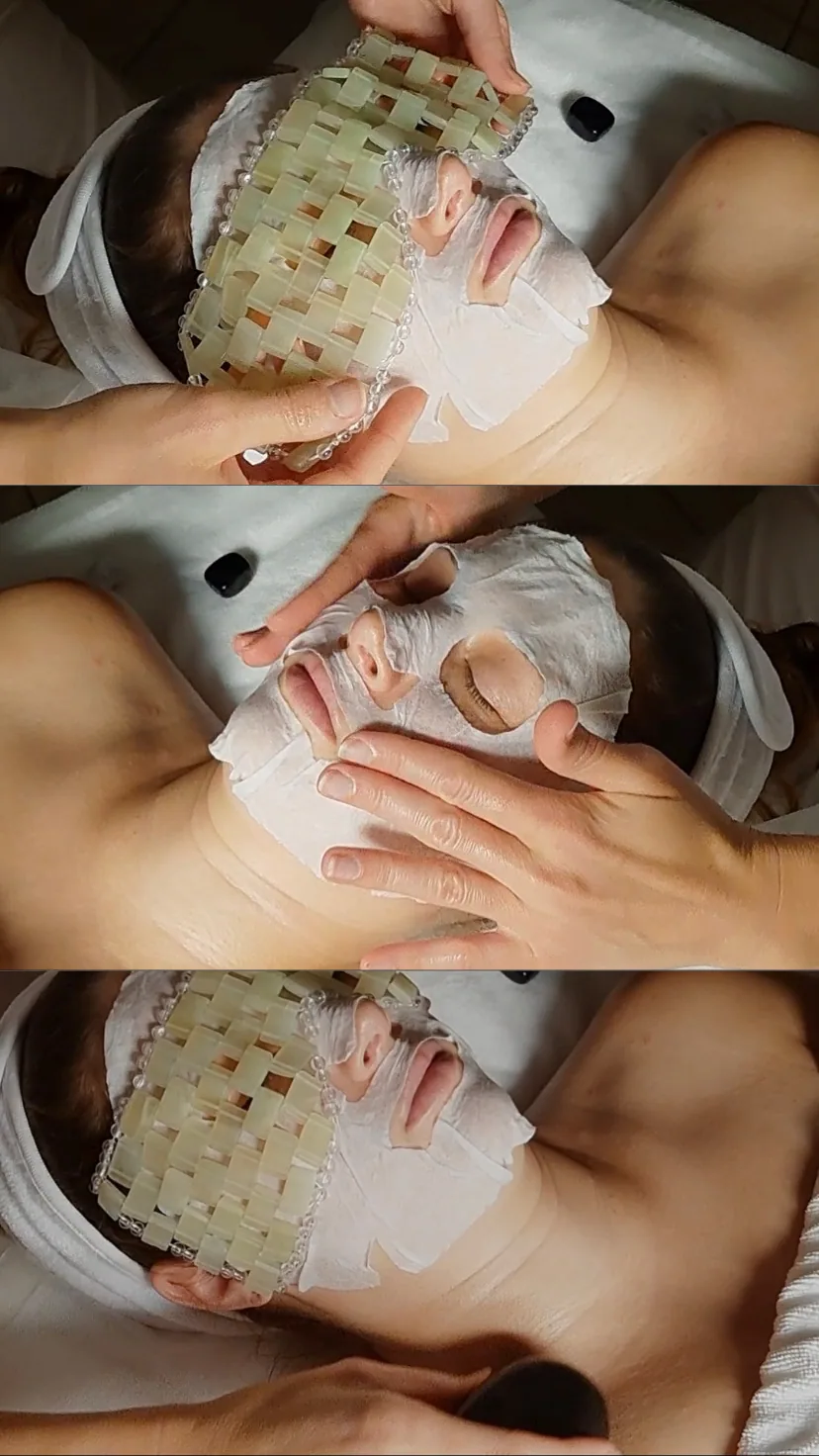
- Skip the sheet mask. It feels productive, but as it dries on your face in that air it takes water with it. A balm does more.
- Sunscreen if you have a window, and close the shade when you can.
- Drink water, skip the alcohol. Unglamorous and the most effective item here.
One thing to leave at home: actives. No acids, no retinoid the night before or the night of a long flight. Skin that is already losing water does not need its barrier challenged at the same time.
Arriving somewhere different
Give it three or four days before concluding anything. New water, new humidity, new food and disrupted sleep all show on skin, and most of it settles by itself.
- Somewhere humid — switch to lighter textures and expect more shine. Gel moisturiser, fluid sunscreen.
- Somewhere dry or high — richer cream, apply to damp skin, and reapply sunscreen more often than feels necessary.
- Somewhere hot and sunny — this is where a holiday permanently undoes months of work on pigment. Sunscreen, reapplied, plus a hat.
Pack your own routine rather than buying locally, and keep it to the short version — cleanser, moisturiser, sunscreen. A trip is the worst possible moment to test unfamiliar products, because if something reacts you are a long way from anything that helps.