
Your skin type does not change. Your skin condition changes constantly. Almost every wrong product decision I see comes from mixing these up — someone buys for a condition as though it were permanent, or for a type that was never theirs in the first place.
Type is what you were born with
It is decided by how much oil your skin produces, and that is genetic. There are four, and almost everyone is one of them for life: dry, oily, combination, or normal.
It shifts slowly across decades — oil production falls with age, so an oily teenager often becomes a combination forty-year-old and a dry sixty-year-old. That is the only way type moves, and it takes years rather than seasons.
Condition is what is happening right now
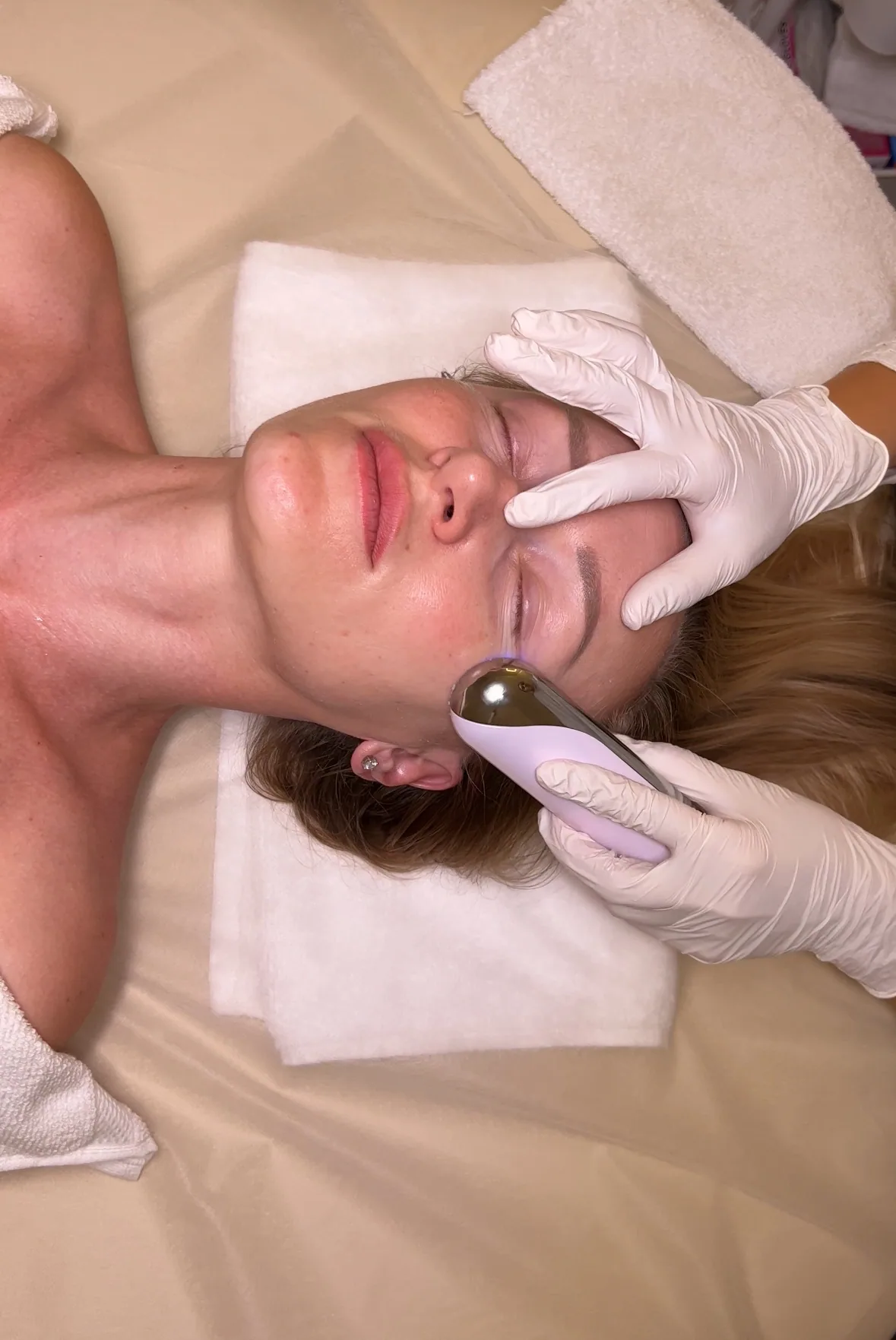
Dehydration, sensitivity, congestion, dullness, redness, uneven tone. Any skin type can have any of these, they come and go, and they are caused by what you do, where you are and what is going on in your life.
The giveaway is speed. Something that appeared in the last few months is a condition. Something that has been true since you were fifteen is a type.
Why the confusion costs so much
- Dehydration read as dryness. So you buy rich creams for a skin that needed water, and nothing improves while the drawer fills up.
- Dehydration read as oiliness. Skin overproduces to compensate, you strip it harder, it produces more. This loop is probably the most common one there is.
- Irritation read as sensitivity. You conclude your skin is fragile and avoid everything, when a barrier was simply over-treated and would have recovered in a month.
- Winter dryness read as a type change. So you buy a whole new routine in November and it is wrong by April.

How to tell them apart at home
Wash with something gentle, apply nothing at all, and wait an hour in a room at normal temperature. Then look.
- Shine across the whole face — oily.
- Shine only down the centre — combination.
- No shine anywhere, possibly flaking — dry.
- Comfortable and even — normal.
Then ask separately: does it feel tight, does it look dull, does it sting, are there bumps? Those answers are your condition, and they are the part that changes.
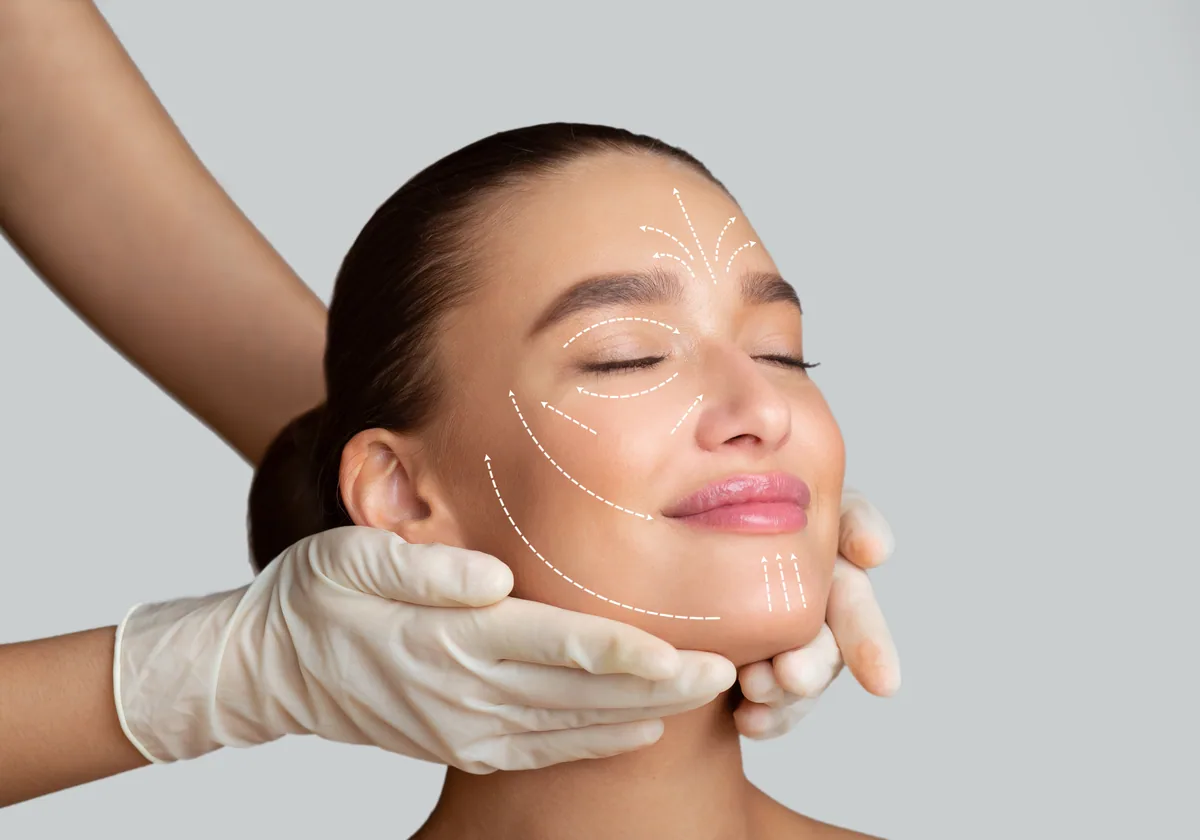
How to use the distinction
Choose textures by type and actives by condition. Your type decides whether you want a gel or a cream, a fluid or a balm — that rarely changes. Your condition decides what you add on top, and that should change several times a year.
Which is also why a routine someone else swears by so often does nothing for you. They are usually sharing a solution to their condition while you are matching it against your type.