
Skin after 45 does not need more products. It needs different ones, and it needs them used consistently. The change people notice is not gradual — most describe it as skin that behaved one way for twenty years and then, within about eighteen months, behaved differently.
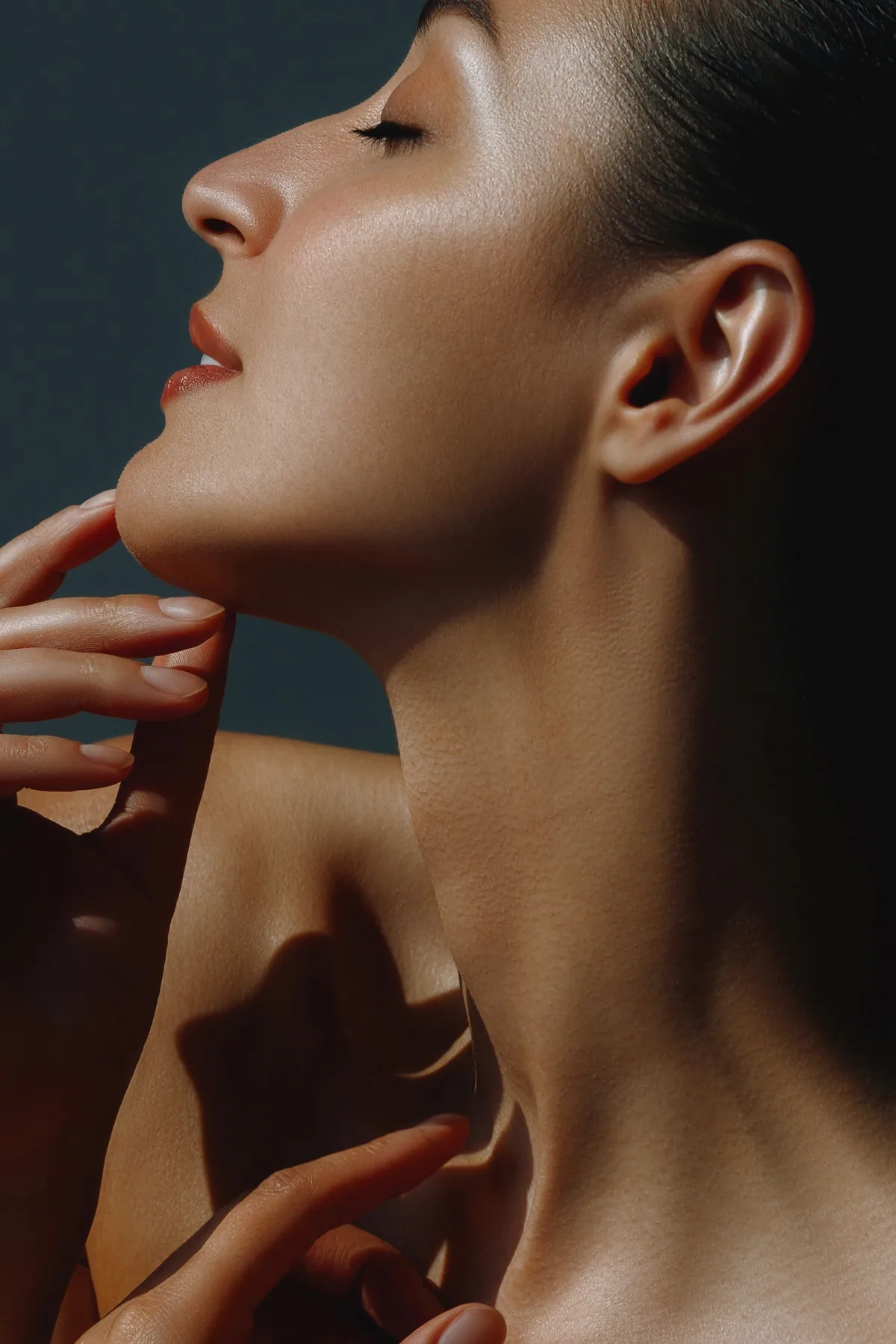
What actually changes
- Less oil. Sebum production drops, so skin that was never dry becomes dry — often for the first time ever.
- Less collagen. The loss is fastest in the first five years after menopause, which is why the change feels so sudden.
- Slower turnover. Cells take longer to reach the surface, so the skin looks duller and holds onto pigment longer.
- Thinner barrier. Products that were fine for years start to sting.
- Pigment behaves differently. Old sun damage surfaces now, decades after it happened.
Adult acne at this age is also common and surprises people. It is usually along the jaw and chin, deeper and slower than teenage acne, and it does not respond to teenage products.
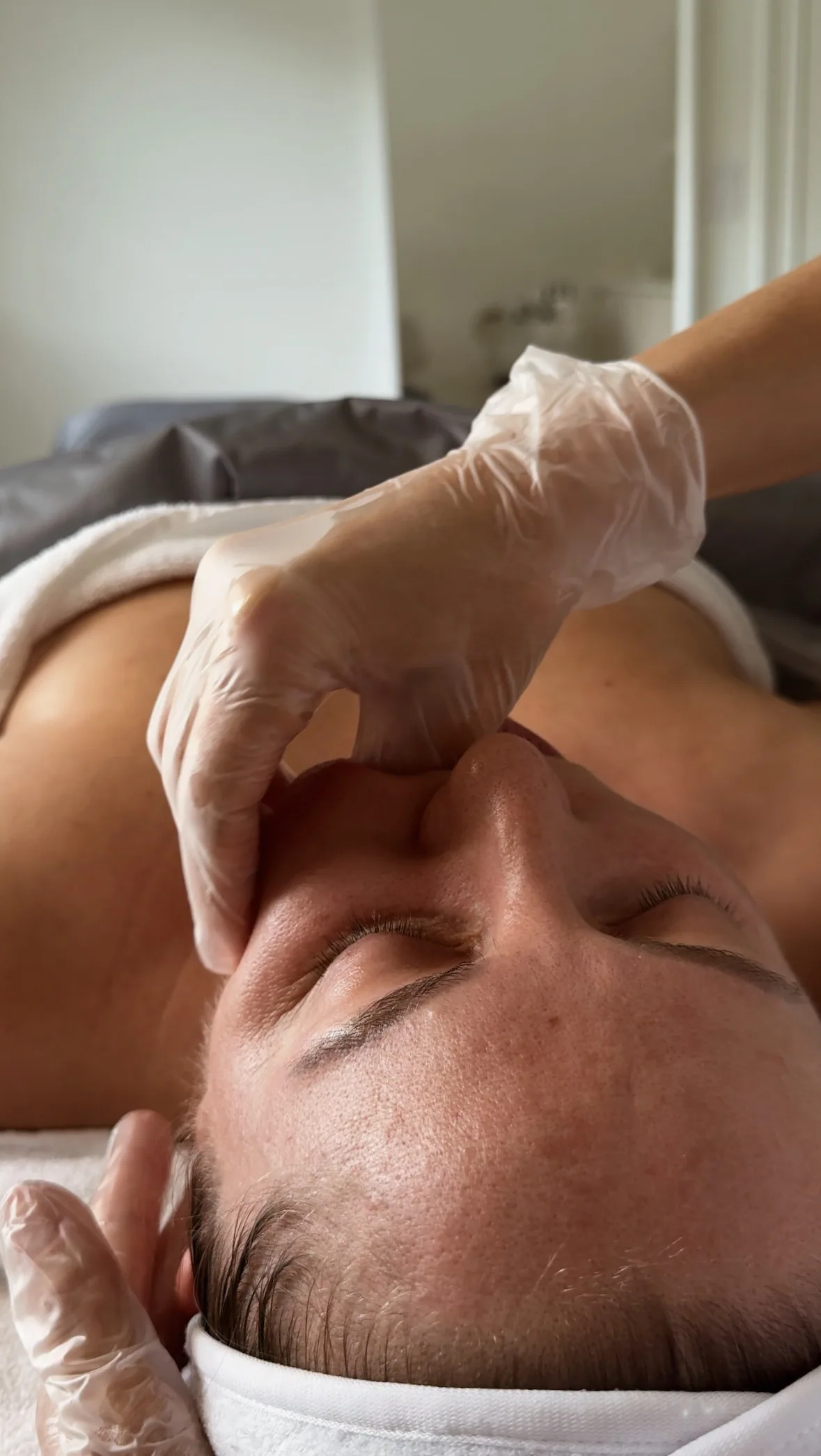
The routine that matters
- A cream or oil cleanser instead of foam. Foam that suited you at thirty strips you at fifty.
- A retinoid. The single ingredient with the strongest evidence for collagen, texture and pigment at once. Start at the lowest strength, twice a week, and build over three months.
- Vitamin C in the morning for pigment and for the antioxidant protection that sunscreen alone does not provide.
- A richer moisturiser with ceramides and a humectant. Layer it over damp skin, not dry.
- Sunscreen daily, without exceptions. At this stage it is doing more for how your skin looks in five years than anything else on the list.
Where money is wasted
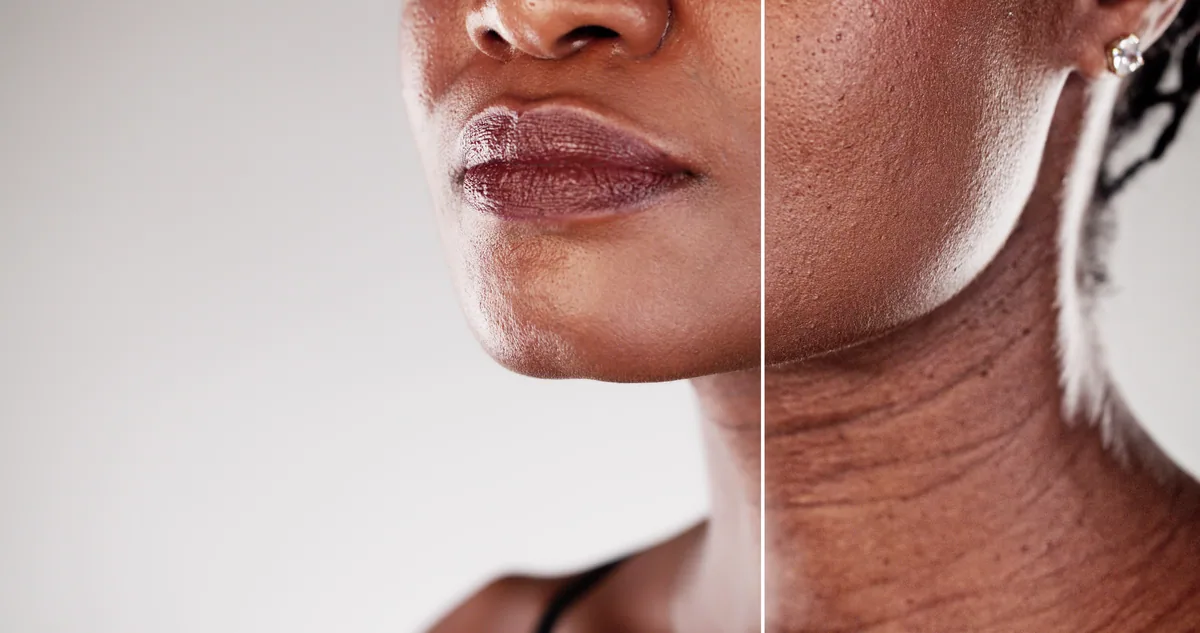
On collagen creams. Collagen applied to the surface cannot reach the layer where collagen lives — the molecule is far too large. It works as a decent humectant and nothing more, which is a lot to pay for a humectant.
On “lifting” products. Nothing in a jar lifts tissue. Some give a temporary tightening film that photographs well for an hour. If a product genuinely restructured skin it would be regulated as a drug.
And on starting over every few months. Retinoids need three to six months before the result is visible. The most common reason mature skin does not improve is not the wrong product — it is a good product abandoned in week six.
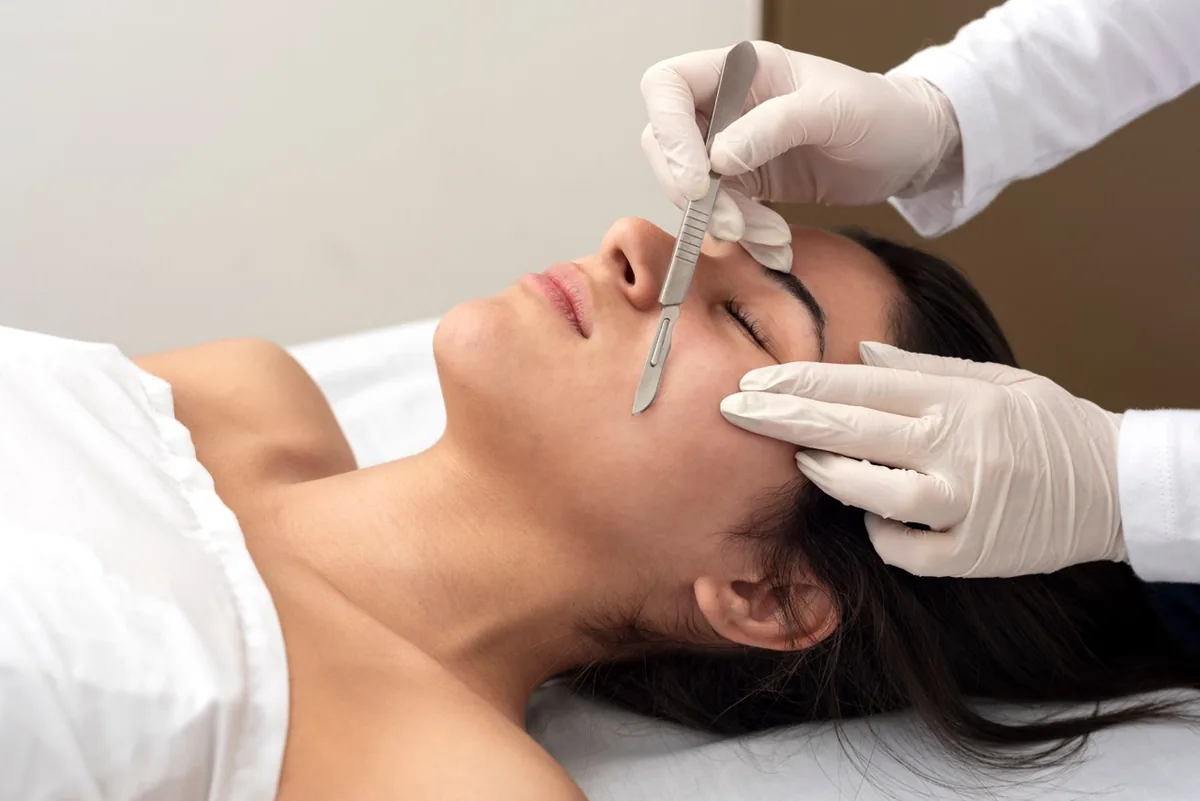
What to expect, honestly
A consistent routine improves texture, tone, hydration and fine lines. It does not change deep folds, volume loss or the position of tissue — those are structural, and no cream addresses structure. Being clear about that line is what separates a plan that satisfies from one that disappoints, and it is the first thing I establish with anyone at this stage.